The round cross-section of the round belt makes it ideal for use with light-loading equipment and with smaller jobs needing continuous motion. They are intended to be used with pulleys that have a groove in the shape of a V. Other names for round belts that are frequently used include O-ring belts, endless round belts, and endless drive belts. Read More…
For more than 60 years, we have been offering innovative conveyor belting to customers worldwide. Our full line of products include perforated belts, vacuum belts, nylon core belts, and plastic modular belting. We have grown our reputation based on providing outstanding customer service as well as conveyor belt materials that will provide long-lasting value. For more information on how we may be...

At Shipp Belting, we specialize in manufacturing and distributing high-quality conveyor belts designed to meet the diverse needs of industrial operations. With decades of experience behind us, we’ve built our reputation on reliability, technical expertise, and a deep understanding of how material handling impacts overall efficiency.

At Mol Belting Systems, we specialize in providing high-quality conveyor belts designed to meet the diverse needs of industries worldwide. Our product range includes an extensive variety of conveyor solutions, such as modular plastic belts, polyurethane, and rubber conveyor systems, all engineered for efficiency, durability, and superior performance.

We have a wide range of products that allow us to find the right solutions for all our customer’s material handling needs. We provide conveyor belts made out of variety of materials. Our research and development department works hard to ensure that we are bringing our customers products that are on the leading edge of innovations at all times. For more information on how we may be able to...




More Round Belt Manufacturers
Round Belts: Comprehensive Guide, Applications, and Supplier Selection
Round belts—also known as circular belts or endless drive belts—play a crucial role in modern industrial automation, conveying, and power transmission systems. Whether you are upgrading a powered roller conveyor, maintaining a line shaft conveyor, or designing a custom drive solution, understanding the properties, applications, and optimal sourcing strategies for round belts can help you maximize productivity, minimize downtime, and ensure system longevity.
Are you searching for reliable round belt suppliers or evaluating the best belt material for your conveyor system? Do you want to learn how round belts compare to flat belts or v-belts for specific industrial applications? This guide covers those questions and more, providing the technical, practical, and commercial insights you need to make informed decisions.
What Are Round Belts?
Round belts are continuous, cylindrical belts—either solid or hollow—engineered for flexible power transmission and conveyor solutions. They are most commonly utilized in powered roller conveyor systems, line shaft conveyors, live roller conveyors, and other power transmission setups where elasticity, chemical resistance, and minimal maintenance are desired. Their unique design enables users to cut them to length and splice them to fit custom pulley configurations with ease, making them a go-to solution for both OEM and retrofit applications.
Unlike flat belts or v-belts, round belts do not require a dedicated belt tensioner. Instead, they are designed to stretch, providing automatic tension and seamless adaptation to system fluctuations. Because of their circular cross-section, round belts offer minimal surface contact with conveyed products and mechanical components. This characteristic makes round belts advantageous for conveyor applications where airflow, drying, and reduced product contamination are critical—such as in food processing, clean rooms, and electronics manufacturing.
Most round belts are made from advanced polymer materials, including polyurethane, neoprene, nitrile (Buna-N), and natural or synthetic rubber. These materials are chosen for their outstanding chemical resistance, abrasion resistance, and mechanical stability over a wide temperature range. Round belts generally do not require tracking modifications or frequent maintenance, minimizing operational interruptions.

Key Benefits of Round Belts in Industrial Applications
- Easy customization: Can be cut to length and spliced on-site, enabling rapid installation and minimal downtime.
- No tensioner required: Designed to stretch, eliminating the need for extra mechanical tensioning devices and simplifying system design.
- Reduced surface contact: Minimizes product contamination and is ideal for applications requiring airflow or drying, such as in food and pharmaceutical processing.
- Highly durable: Resistant to chemicals, oils, abrasion, and temperature extremes, especially when made from polyurethane, nitrile, or neoprene.
- Low maintenance: Rarely needs adjustment, realignment, or replacement compared to other belt types.
- Cleanroom compatible: No fibers or particulates, making them suitable for clean environment manufacturing and sensitive product handling.
Common Industrial Applications for Round Belts
Round belts demonstrate exceptional versatility across a wide range of industries and machinery. Here are some of the most common use cases:
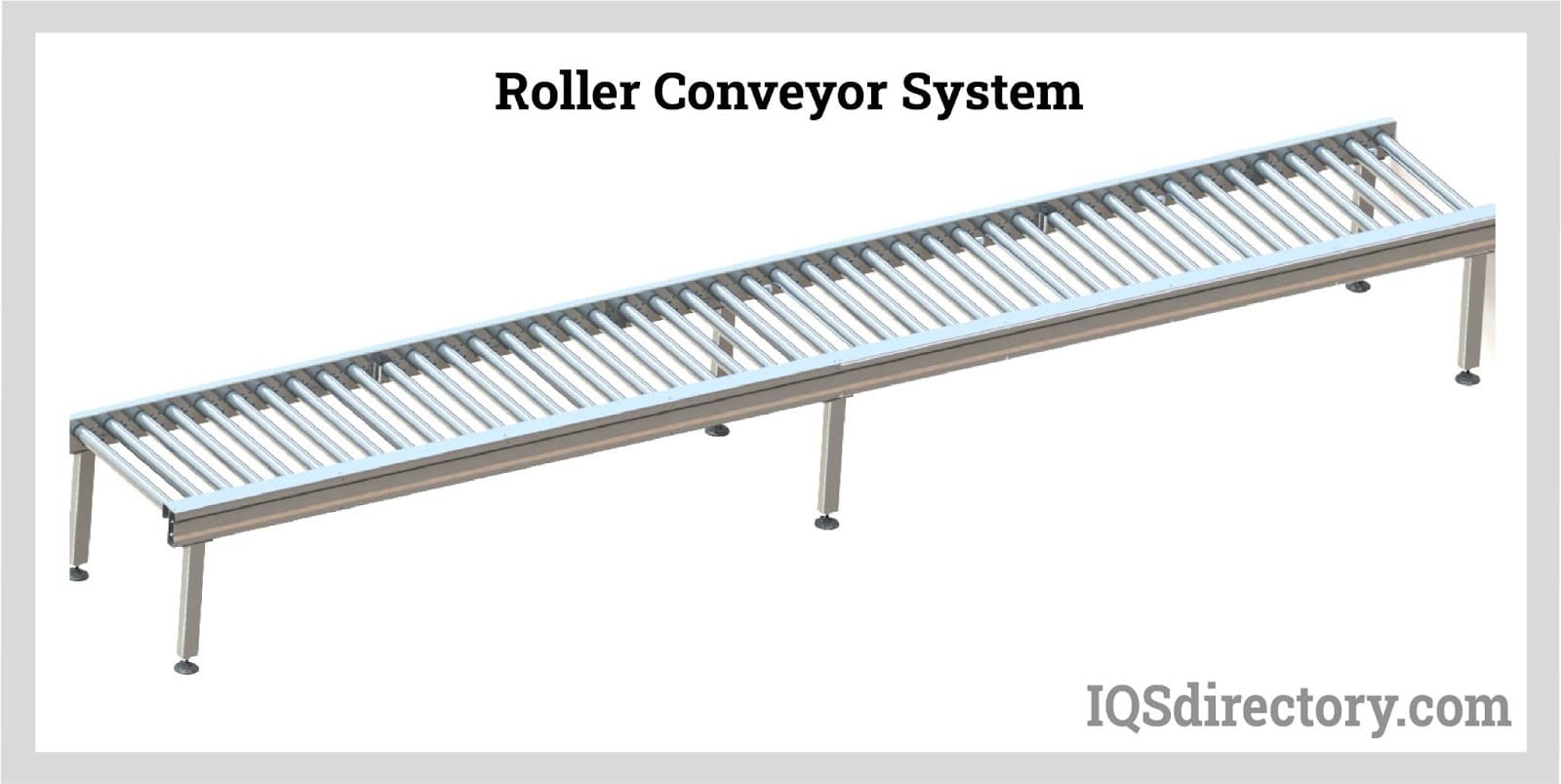
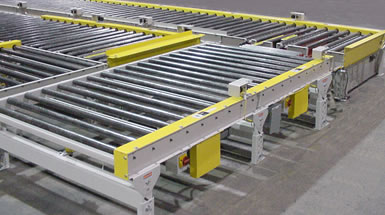
- Powered roller conveyors: Efficiently transfer power between rollers in distribution centers, warehouses, and parcel handling systems.
- Line shaft conveyors: Used in assembly lines, packaging, and sorting systems where synchronized roller movement is essential.
- Material handling equipment: Includes O-ring belts for diverters, transfers, and accumulation conveyors.
- Printing and imaging machines: Provides smooth, vibration-free motion for feeding paper, film, or other substrates.
- Food processing: Ideal for conveying delicate food items in environments requiring cleanliness and resistance to oils, fats, and cleaning chemicals.
- Pharmaceutical manufacturing: Used in pill sorting, packaging, and bottling lines where contamination must be minimized.
- Electronics assembly: Facilitates handling of circuit boards and components in ESD-safe and cleanroom settings.
- Textile machinery: Drives spindles, rollers, and winders where flexibility and non-marking contact are required.
- DIY and hobby projects: Used in custom robotics, small automation projects, and innovative maker applications.
Wondering if round belts are the right choice for your specific application? Contact a round belt specialist or explore our product catalog for expert guidance tailored to your industry and operational needs.
Types of Round Belts by Material
The performance and longevity of a round belt depend heavily on the material selected. Here is a more detailed look at the most popular round belt materials and their unique properties:
Polyurethane Round Belts
Polyurethane round belts are among the most widely used in power transmission and conveyor applications. Known for their exceptional abrasion resistance, high tensile strength, and flexibility, polyurethane belts maintain performance even in harsh industrial environments. Their resistance to oils, greases, and many chemicals makes them ideal for food and beverage processing, packaging, and material handling.
- Color options: Often available in blue, green, orange, or clear for easy system identification.
- Operating temperature range: Typically -20°F to 175°F, but high-performance variants are available.
- Weldable and splicable: Can be easily spliced using heat welders or mechanical connectors.
Nitrile Rubber (Buna-N) Round Belts
Buna-N, or nitrile rubber, is a synthetic copolymer made of butadiene and acrylonitrile. It excels in applications requiring exposure to petroleum-based oils, hydraulic fluids, and alcohols. Buna-N round belts are commonly chosen for factory automation, automotive assembly, and process industries where oil resistance is critical.
- Temperature range: -30° to 275°F.
- Chemical resistance: Excellent resistance to hydrocarbons, lubricants, and many industrial fluids.
- Durability: Maintains flexibility and tensile strength over long periods.
Neoprene Round Belts
Neoprene, a synthetic rubber produced by polymerizing chloroprene, offers outstanding flexibility and chemical stability. Neoprene round belts function reliably in the presence of oils, chemicals, and fluctuating temperatures, making them suitable for demanding environments.
- Temperature range: -45° to 230°F.
- Resistance: Withstands twisting, breaking, and chemical exposure.
- Common uses: HVAC systems, automotive, and general manufacturing.
Rubber Round Belts
Natural and synthetic rubber round belts are valued for their elasticity and resilience. While not as chemically resistant as polyurethane or nitrile, rubber belts provide excellent grip and vibration dampening.
- Elastic recovery: Returns to original length after stretching.
- Applications: Textile machinery, light manufacturing, and low-load power transmission.
Urethane Round Belts
Urethane, a specialized form of polyurethane, provides even higher abrasion resistance and load-carrying capability. Urethane round belts are preferred in heavy-duty industrial conveyor systems, packaging lines, and demanding material transfer operations.

How to Select the Right Round Belt for Your Needs
Choosing the optimal round belt for your application involves several key decision factors. Consider these aspects as you research and compare suppliers:
- Material compatibility: Will the belt be exposed to oils, chemicals, extreme temperatures, or abrasive materials? Select polyurethane, nitrile, or neoprene based on your operational environment.
- Belt size and cross-section: Measure the required diameter and length based on your pulley system. Many suppliers offer custom fabrication to match your exact specifications.
- Strength and load capacity: Consider the weight of products or components being conveyed and the power transmission requirements.
- Splicing and installation method: Determine if you require weldable belts, mechanical fasteners, or endless (seamless) belts for your setup.
- Compliance and safety: For food, pharmaceutical, or cleanroom environments, ensure belts are FDA/USDA compliant and free from contaminants.
- Cost-effectiveness: Balance upfront price with expected service life, maintenance requirements, and ease of replacement.
Still not sure which round belt is best for your system or industry? Ask an expert: Contact our team for a personalized consultation or request a sample for testing.
Troubleshooting Common Problems with Round Belts
Maintaining round belt performance is essential for minimizing downtime and prolonging equipment life. Here are some typical issues encountered with round belts and practical solutions:
- Belt rips off at the tail pulley:
- Reason: Belt swerving across the loading region and around the tail pulley
- Solution: Install training idlers (specialized pulleys that guide and align the belt) on the return side before the tail pulley.
- Reason: Material spills and accumulation
- Solution: Improve loading and transfer conditions by cleaning equipment and scheduling regular maintenance.
- Reason: Idlers or pulleys not aligned with the belt's centerline
- Solution: Realign or adjust idlers and pulleys in the affected area.
- Belt rips off at the head pulley:
- Reason: Worn-out pulley lagging
- Solution: Replace the pulley lagging with new material for optimal traction.
- Reason: Material spills and accumulation
- Solution: Maintain a clean environment and perform preventative maintenance.
- Reason: Idlers or pulleys not aligned with the belt's centerline
- Solution: Adjust idlers or pulleys as needed to correct misalignment.

Advanced Applications and Use Cases for Round Belts
Round belts are not limited to linear conveyor setups—they can also be engineered for unique power transmission requirements, including:
- Quarter-turn drives: Round belts can transmit power around corners by turning a shaft whose axis is perpendicular (90 degrees) to the drive shaft—ideal for compact or space-constrained layouts.
- Multi-axis power transmission: Synchronize multiple driven shafts from a single drive source using round belts in complex automation systems.
- Precision motion control: Used in robotics and pick-and-place systems for smooth, repeatable motion due to their low inertia and high flexibility.
- Sorting, merging, and accumulation conveyors: O-ring and urethane round belts are perfect for zone control and product alignment in high-speed logistics or e-commerce fulfillment centers.
Curious about how round belts can improve efficiency in your specific sector? Request a case study or browse our industry solutions for real-world examples.
Round Belts vs. Other Belt Types: Key Considerations
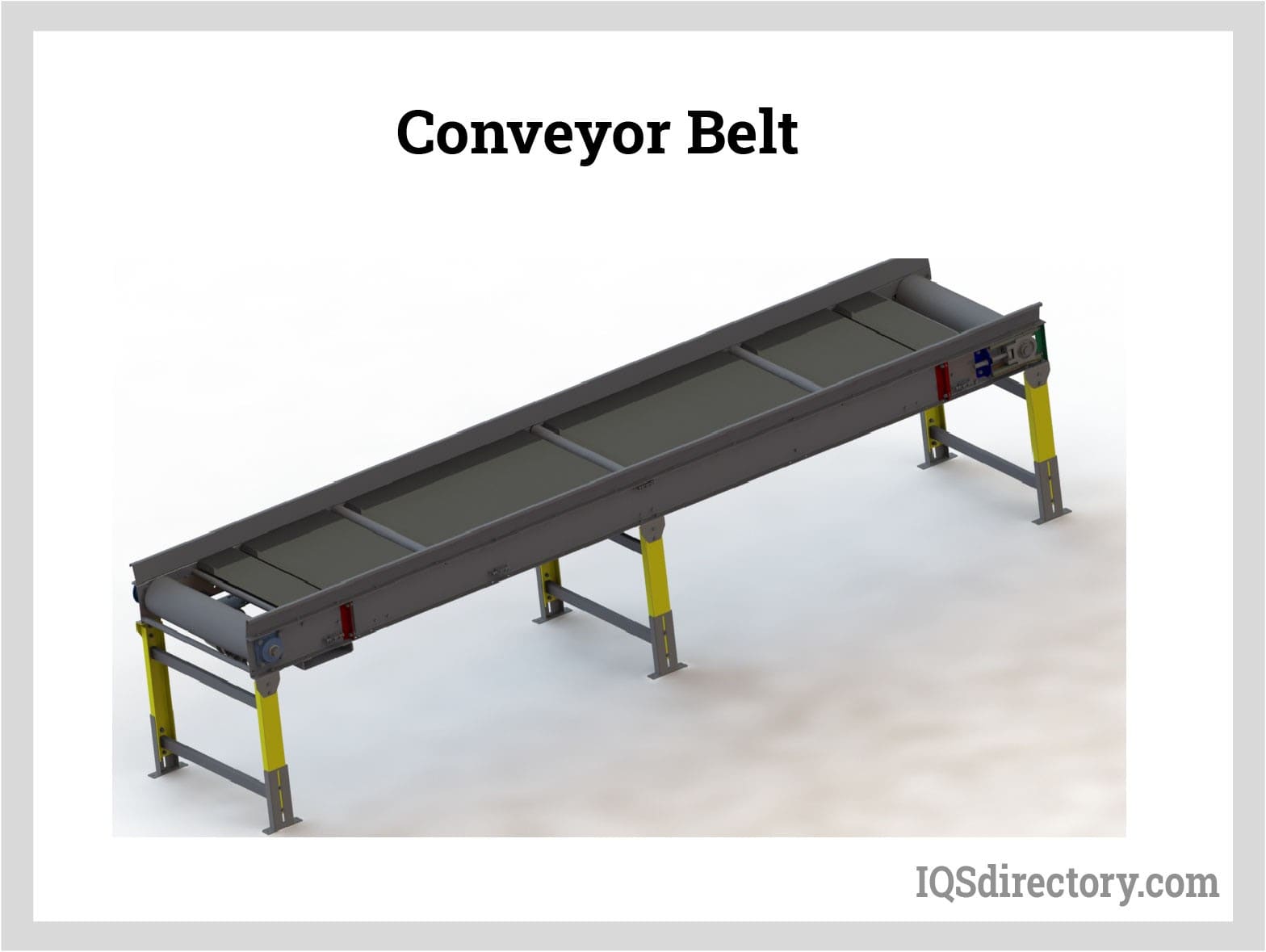
When evaluating round belts versus flat belts, v-belts, or timing belts, consider the following:
- Round belts offer superior flexibility and are ideal for serpentine paths, non-standard pulley orientations, and applications requiring frequent modification.
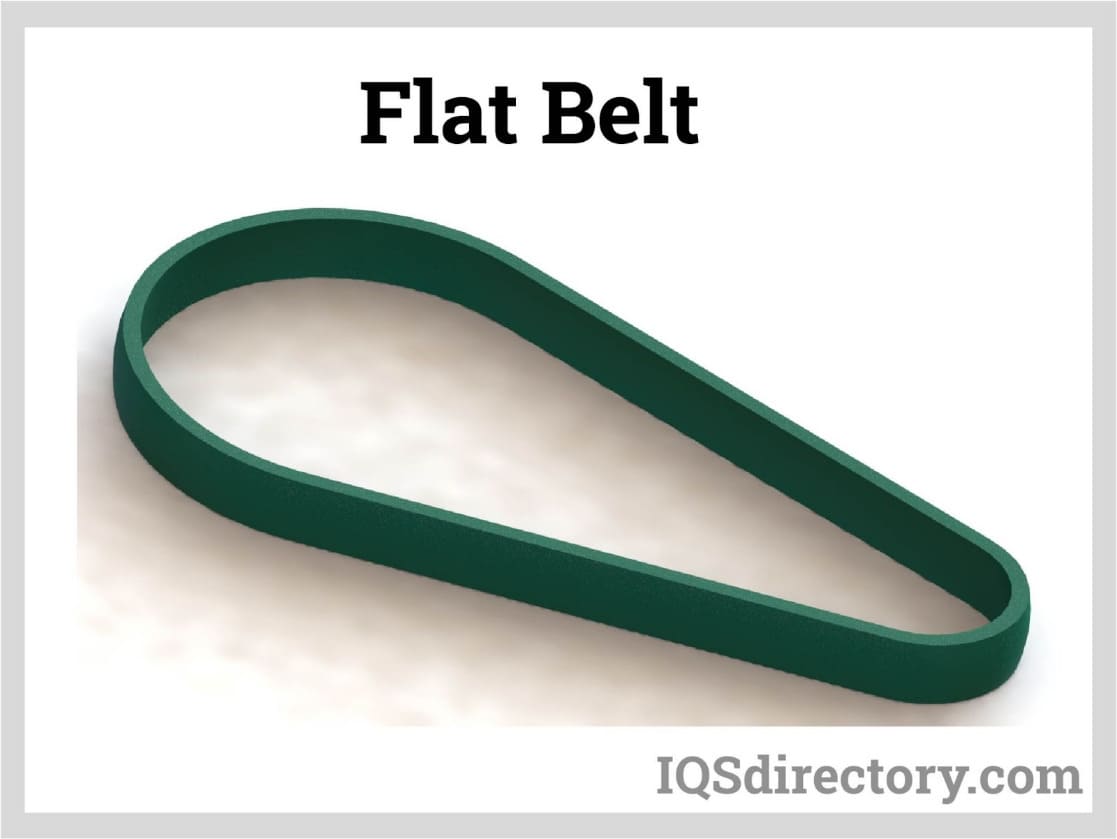
- Flat belts provide higher surface area contact and are often used for heavier loads or where precise tracking is necessary.
- V-belts excel in high-torque, high-power transmission, but require matched pulleys and tensioners.
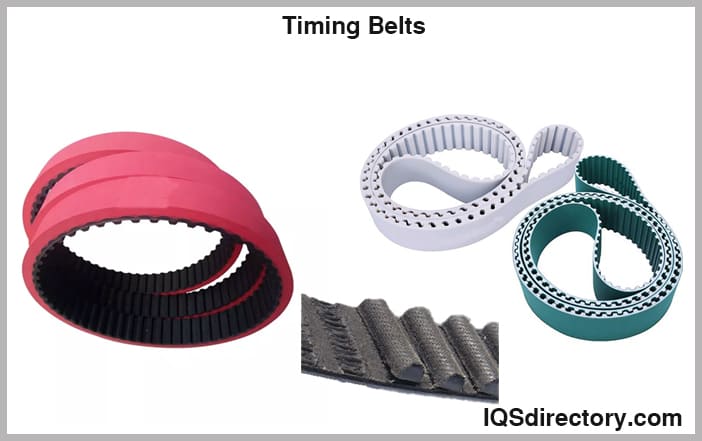
- Timing belts deliver synchronized, slip-free motion for precision applications but demand precise alignment.
Choosing the right belt type depends on your system’s geometry, load requirements, environmental factors, and desired maintenance intervals. Compare the pros and cons for your specific process or consult with a belt specialist for guidance.
How to Find a Trusted Round Belt Supplier
To ensure you receive high-quality, reliable round belts for your conveyor or power transmission needs, it is vital to source from reputable suppliers and manufacturers. Here are steps to streamline your procurement:
- Identify requirements: Define your application, environment, and technical needs (material, dimensions, compliance, etc.).
- Compare multiple suppliers: Use our curated list of round belt manufacturers to compare at least five suppliers. Evaluate their industry experience, product range, and support capabilities.
- Review business profiles: Each supplier’s profile highlights their expertise, certifications (e.g., ISO, FDA), and customer testimonials.
- Request quotes and samples: Use our efficient RFQ (Request for Quote) form to contact multiple vendors simultaneously, streamlining your sourcing process.
- Assess supplier responsiveness: Choose suppliers that provide timely, knowledgeable support and are willing to customize products to your operational needs.
Frequently Asked Questions About Round Belts
- What is the difference between solid and hollow round belts?
Solid round belts offer greater strength and are preferred for heavier loads, while hollow round belts are lighter, more flexible, and easier to splice or join in the field. - Can round belts be used in high-temperature environments?
Yes, when made from suitable materials such as polyurethane or neoprene, round belts can operate reliably in a wide temperature range. Always check the manufacturer’s specifications for your intended use. - How do you splice or join round belts?
Most round belts can be joined using heat welding (for polyurethane and urethane), mechanical connectors, or adhesive bonding. Splicing kits and equipment are available from reputable suppliers. - Are round belts suitable for food contact applications?
Many round belts are available in food-grade, FDA/USDA-compliant materials. Always verify compliance before specifying for food processing or handling. - How often should round belts be replaced?
Round belts are designed for durability, but replacement intervals depend on operating conditions, load, and regular maintenance practices. Inspect belts periodically for signs of wear, stretching, or cracking.
Optimizing System Performance with Round Belts
To maximize the service life and efficiency of your round belt system, follow these industry best practices:
- Regular inspection: Check for signs of wear, misalignment, or contamination during scheduled maintenance.
- Proper installation: Use the correct tools and techniques to splice, tension, and align belts on pulleys.
- Environmental controls: Protect belts from exposure to excessive heat, chemicals, or abrasive materials when possible.
- Operator training: Ensure staff understand proper belt handling and troubleshooting protocols.
- Documentation: Maintain records of belt type, installation date, and replacement history for predictive maintenance planning.
Learn More and Take the Next Step
Whether you’re an engineer specifying a new conveyor line, a maintenance supervisor handling frequent belt replacements, or a procurement leader searching for the best round belt supplier, making informed decisions starts here. Explore our comprehensive range of round belts, o-ring belts, and urethane belting options to find the ideal solution for your application.
Ready to request a quote or sample, or need technical advice? Contact our experts today for fast, knowledgeable support and personalized recommendations for your project.